Eco-Friendly Lawn Sprinkler Installation: Creating for Water Performance
Lawn and landscape irrigation has been built on a simple idea for decades: put water where plants can utilize it. The difficulty is, a great deal of that water never ever reaches roots. It flashes right into the air on a warm afternoon, cleans down a driveway, or battles the wind and winds up on a fencing. A truly effective sprinkler setup starts with one top priority, deliver the minimal water the landscape requires, as evenly as possible, with as little waste as feasible. That expectation changes exactly how you style, what components you choose, how you arrange watering, and how you take care of lawn sprinkler repair service and continuous lawn sprinkler maintenance.
I have actually invested lengthy summertimes tuning systems for home managers and long springs changing ruined heads and leaking valves. The quickest gains rarely came from getting a brand-new controller, they came from designing the hydraulics appropriately, organizing plants intelligently, and establishing circulations and pressures for the nozzles we in fact made use of. Smart controls luster when the physical system provides a reasonable fight.
Start with the website, not the catalog
The most lasting watering system is tailored to what is currently on the ground. I walk a site with a trowel and a note pad, not a wish list. Dirt, sun, inclines, and wind inform you extra regarding water performance than any type of brochure.
On a south facing incline with sandy loam and complete afternoon wind, the appropriate option is hardly ever high arc sprays at 40 psi. Sandy dirts penetrate quickly yet hold little water, so they choose much shorter, more frequent pulses, commonly with lower rainfall price nozzles that can be soaked in without overflow. Clay dirts relocate the opposite instructions. They take water gradually and grudgingly. A gentle, reduced rate application, occasionally as reduced as 0.4 inches per hour, avoids the familiar luster of overflow that brings water to the curb.
I learned this the messy method on a school courtyard. The landscaper had actually selected a set of common taken care of sprays at around 1.5 inches per hour over clay subsoil. The result looked green in April and disastrous in July, with puddles after every cycle and dry spots by afternoon. Exchanging to high performance turning nozzles at roughly 0.4 to 0.6 inches per hour and changing the timetable to a cycle and soak pattern cut run times by about 40 percent and removed drainage altogether.
Hydrozoning is not optional
Water effective watering means watering zones based upon plants with similar water needs and rooting depths. It is hard to overstate the payoff of proper hydrozones. Lawns, hedges, trees, native beds, and annual shade beds seldom desire the exact same frequency or deepness of watering. Blending them right into one shutoff is an effectiveness tax obligation you pay every season.
Some policies that stand up in practice
- Turf, specifically cool season lawn, gain from frequent, moderate watering in many temperate climates, unless you let it go dormant. Keep grass on its own shutoffs, typically with sprays, rotary nozzles, or blades, depending upon location size.
- Shrub and groundcover beds commonly grow on much less regular, much deeper watering. Dripline or factor resource emitters function best below, both for harmony and marginal evaporation.
- Trees deserve their very own plan. Also when a tree resides in lawn, it must receive supplementary deep watering past the grass's shallow rooting area. A devoted drip or bubbler circuit outside the trunk flare, expanding outside as the tree grows, utilizes far much less water than daily turf cycles.
Grouping by sunlight direct exposure also assists. A north side bed put behind a fencing may require half the water of a south dealing with mirror image. Place them on different valves when possible.
Pressure and circulation: the surprise structures of efficiency
Nearly every inefficient system I have actually audited had a stress or circulation inequality. Nozzle charts, rainfall rates, and distribution harmony all assume you are running within a narrow band of inlet stress. When the scale on a head checks out 55 psi for a nozzle created for 30 psi, expect fogging and irregular throw, which consequently forces longer run times and wastes water as vapor.
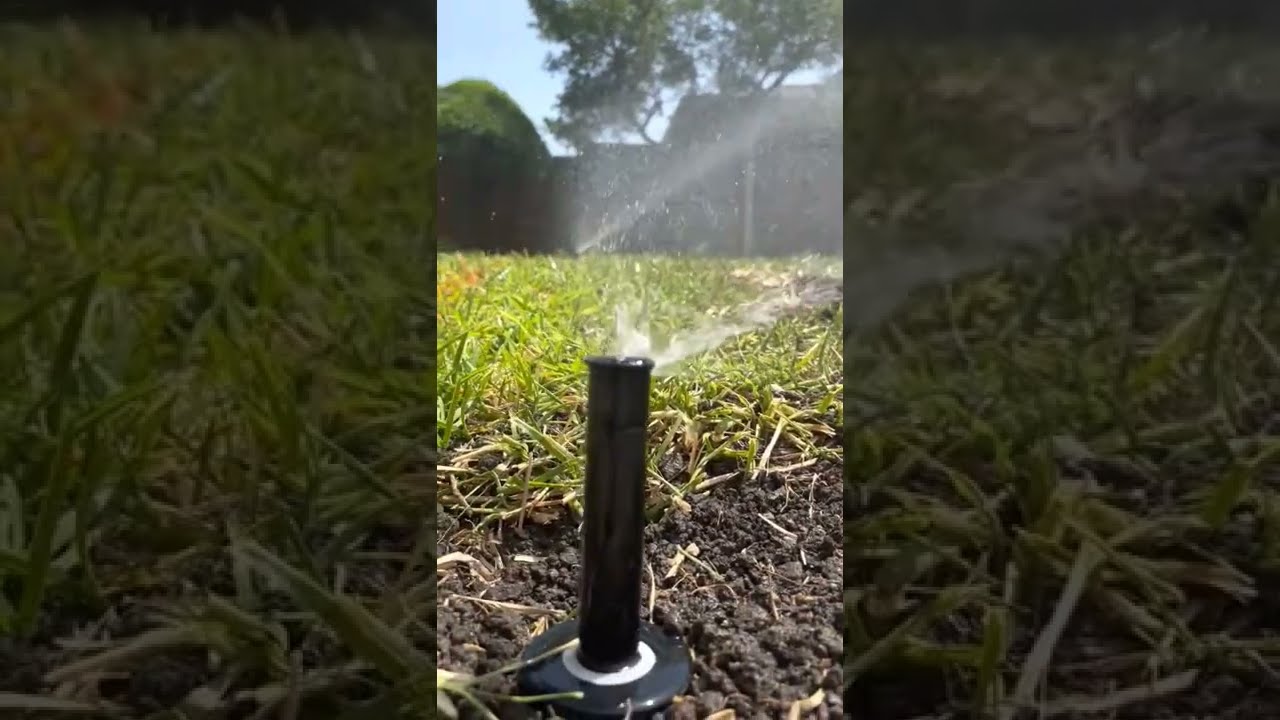
I inform clients to invest as much attention on pressure regulation as they do on the controller. At the system level, a pressure lowering shutoff at the factor of connection tames a 90 psi road primary to a usable 60 to 70 psi for rotors or 50 to 60 psi for spray manifolds. At the area level, stress controling valves tweak to the details nozzles because area. Ahead degree, public relations spray bodies supply a consistent 30 psi at each nozzle even if upstream pressure fluctuates. This 3 rate method maintains application rate and uniformity.
Sizing the water meter, backflow preventer, mainline, and laterals to match peak demand is just as crucial. Undersized piping develops pressure losses that starve the farthest heads. I make use of a straightforward strategy when sketching a retrofit, start with the offered fixed pressure at the tap, deduct projected losses through the backflow and filters, then via the mainline at expected flow, and validate there goes to the very least 5 to 10 psi over the nozzle demand at the most awful situation head. If a 10 gpm blades area requires 45 psi ahead and I can only deliver 38 psi at the tee serving the farthest lateral, I split the area or upsize the side to minimize friction losses. That decision, made theoretically, can save countless gallons per month the very first summer.
Head choice and spacing that preserves water
Head to head coverage is not a marketing line, it is geometry. Every expenses sprinkler, whether a dealt with spray, multi stream blades, or traditional blades, tosses less water at the far edge of its span. The only means to avoid dry rings is to overlap the pattern to ensure that the much side of one head is gotten to by the adjacent head. The industry shorthand is straightforward: area heads no further apart than their radius of toss. With wind, reduce spacing a little bit much more. When heads are spaced too far apart, run times need to increase to eco-friendly the edges, which implies everything inside the edges is getting much more water than needed.
Rotating nozzles and rotors frequently have lower rainfall rates than repaired sprays. That purchases seepage time on inclines and clay, and it usually boosts distribution harmony. In small yards near walkways, a matched rainfall dealt with spray can still be the best option, supplied you make use of pressure managing bodies and reduced arc patterns to fit the area without overspray.
On edges, particularly along hardscape, usage strip or edge nozzles moderately and verify stress. Many strip patterns over use in the facility and deprive corners. In narrow turf bows, dripline under mulch and deep rooted groundcovers can get rid of that strip completely, conserving water and regular mowing.
Drip where drip makes sense
The most water efficient lawn sprinkler setup is frequently not a lawn sprinkler at all in beds. Dripline and factor source emitters supply water at the dirt surface or simply listed below it, which reduces evaporation losses and prevents wind drift totally. Drip master hedge and perennial beds, around trees, in narrow means, and anywhere foot web traffic is light sufficient to avoid damage to emitters.
The pitfalls are well known to any person that does sprinkler fixing. Unfiltered water clogs emitters, inadequately mounted dripline pops up or kinks, and a buried lateral without a pressure reducer will certainly blow installations apart. Put a 120 mesh filter and a 25 to 40 psi stress reducer on every drip area, label the shutoff box clearly, and utilize air relief and flush valves at the ends. On retrofits, I typically convert a spray zone to drip by covering intermediate heads and repurposing the existing shutoff, provided I can include the filter and regulatory authority in a close-by box. That single change generally reduces water to that bed by 30 to 60 percent.
For trees, a simple ring of dripline in a mulch donut, with the span set at the dripline of the cover, ranges better gradually than a pair of factor emitters at the trunk. As the tree grows, broaden the ring and add loops. The goal is to wet a broad location where feeder roots live, not to saturate bark.
Smart controllers gain their maintain, if the system is sound
Weather based and dirt moisture based controllers can reduce water usage by 10 to 40 percent compared to fixed timetables. I have seen both extremes. The low end shows up when the underlying hydraulics are incorrect or the landscape is terribly zoned, because you end up scheduling around weak spots. The high-end shows up when hydrozones are clean, head spacing is proper, and rainfall rates are known.
Several functional ideas make these controllers efficient:
- Enter real nozzle rainfall prices for each area, not defaults. If the controller expects 1.0 inches per hour and your revolving nozzles deliver 0.5 inches per hour, the schedule will certainly be off by half.
- Use neighborhood climate information with on site rainfall and freeze sensors. A $40 rain switch can stop a thousand gallons from hitting the sidewalk throughout a summer storm.
- For slopes or clay, allow cycle and soak to damage long term times into shorter pulses separated by soak durations. That a person setup can avoid overflow without lowering the total applied water.
If you acquire an older timer and the spending plan will not support a substitute this year, you can still save water. Readjust run times monthly based upon period. Cut runtimes in half in the shoulder months, extend days in between cycles after a rain, and shut out sprinkling for 24 to 72 hours after a tornado, depending upon soil. Hand-operated stewardship beats a senseless default timetable every time.
Calculating rainfall rates and runtime
Designing for effectiveness needs a manage on just how much water each area applies. You do not need a laboratory, simply a couple of basic formulas and a catch can check to verify reality.
For sprays and blades, a valuable quote of zone precipitation price in inches per hour is: public relations equates to 96.3 times total zone gpm separated by overall irrigated square feet.
If a little yard has six rotating nozzles at 0.4 gpm each, that is 2.4 gpm over 900 square feet. The approximated rainfall price is about 0.26 inches per hour. If mid summer evapotranspiration in your area https://spencerrfwc246.scriblorax.com/posts/preventative-lawn-sprinkler-maintenance-that-saves-water-and-money standards 0.18 to 0.25 inches daily for turf, that area needs roughly 0.5 to 0.75 inches over two to three days. At 0.26 inches per hour, that is around two to three hours of runtime spread across cycles per irrigation event, twice a week in peak period. It is not uncommon for clients to be running that same zone 15 minutes per day, each day, and wondering why the grass looks superficial rooted and condition prone.
A catch can test develops these numbers. Place the same mugs in a grid across the area, run the area for 15 minutes, measure midsts, and calculate the typical deepness and the circulation harmony. Change scheduling to supply the needed deepness, and budget slightly more water when DU is inadequate, though a much better repair is to deal with head spacing or stress to elevate DU. A DU of 0.7 or higher is a reasonable target for sprays and rotors in the field.
Controlling overflow and overspray
Water that leaves the irrigated location is lost by definition. Slopes, limited curves, and hardscape bordering yard are the normal problem spots. The option is not simply much shorter run times. Make use of reduced rainfall nozzles on inclines, adjustment arc patterns to prevent throwing at sidewalks, and change heads back from tough edges throughout sprinkler installment. Install check valves in directly slopes to quit reduced head water drainage, which can silently dump numerous gallons after every cycle. On older systems without check valves, I have actually seen daily pools at the bottom of an incline that amount to thousands of gallons a week.
Wind complicates every little thing. In coastal or plateau zones where afternoon winds are predictable, schedule watering for morning when winds sit below 5 mph. Select nozzles with larger streams, like multi stream rotators, which stand up to wind better than fine mist sprays. If the wind contour is extreme, consider deserting overhead watering completely for revealed beds and shift to drip.
Materials, trenching, and installment selections that last
Water efficiency does not make it through inadequate workmanship. A leaking lateral or a fallen short glue joint drainages quietly for years. I like solvent welded PVC for mains and laterals in many irreversible landscapes, sized kindly to maintain rubbing losses under control. In very rocky dirts or where frequent modifications are anticipated, high density polyethylene with compression installations has benefits, yet it demands clean cuts, stiffeners on insert fittings, and disciplined securing. Whatever the pipeline, bed it on sifted soil and prevent sharp rocks in the trench.
Depth issues. Lateral lines need to rest at the very least 8 to 12 inches deep in most environments, much deeper where freeze is a concern. Shallow laterals locate shovels, and shallow heads tilt when the soil settles. Establish boxes flush with completed grade, not a half inch reduced where they collect water and silt that ruin valves.
At each head, utilize a swing joint or adaptable riser to enable upright adjustment and shield against impact. An inflexible nipple area will certainly break, and you will be back for lawn sprinkler repair after the very first aeration or lawn mower bump.
Auditing during startup, not after the water bill arrives
I construct time for an audit right into every sprinkler setup, since the initial day the system runs is when little errors are easiest to deal with. I bring a pressure gauge with a pitot tube, a handful of catch mugs, and a notepad.
The process appears like this in the field:
- Measure static and dynamic stress at the factor of connection and at a depictive directly each zone.
- Compare measured nozzle toss to the graph at the measured stress. Change regulation if needed.
- Run a catch can check on at least one lawn area per controller, calculate ordinary rate and DU, and modify nozzle choice or positioning to deal with obvious gaps.
- Walk beds and trees on drip areas while they compete at least 5 minutes. Verify air alleviation and flush valves function, seek leakages, and readjust emitters away from trunks and hardscape.
- Program the controller with area specific precipitation rates, dirt kinds, and direct exposure, then set seasonal change or ET tracking.
These steps include an afternoon to a medium work, and they cut guesswork out of the very first bill cycle. Extra significantly, they create a standard for future lawn sprinkler maintenance.
Seasonal adjustments and upkeep that secure efficiency
Even a perfect set up drifts without care. Heads sink as dirt settles, hedge covers expand and obstruct tosses, filters block, and valve diaphragms tire. An effective system remains effective when a person strolls it with a function each season.
My springtime checklist concentrates on the fundamentals. Power up the controller, check date and programs, replace back-up batteries if present, and test rain or freeze sensors. Pressurize zones individually. For sprays and rotors, adjust arcs to avoid hardscape, established heights so nozzles sit degree with the bordering grade, and change any type of dissimilar nozzles that shake off uniformity. For drip, open flush points, tidy or replace filters, and check for chewed lines at compost sides. Repair leaks immediately rather than dialing back runtimes to hide symptoms. That path constantly backfires right into soaked spots and dry patches.
Summer is about monitoring. Seek overspray that shows up at particular wind speeds, pools on slopes that tell you cycle and soak demands a tweak, and hot spots at the far edges that recommend stress losses. Address source as opposed to bumping runtimes. In most cases, the fix is as tiny as switching a 180 degree nozzle for a 130 level on an edge head to fine tune toss and avoid the walk.
Fall and wintertime, depending on environment, change towards protection. Winterize where freeze endangers. I have seen a lot of broken backflows because the system was left full and unprotected throughout an abrupt breeze. During the off period, pull a number of heads and dismantle them on the bench. That quick evaluation informs you whether a more comprehensive round of rebuilds remains in order. Regular sprinkler maintenance, done in half day gos to, pays back for several years by keeping distribution harmony up and run times down.
Repair approaches that save water now
Most lawn sprinkler repair service calls included a story, a mower hit a head, a pet dog ate a drip line, a brand-new patio area cut a lateral. These moments are chances to upgrade rather than just recover. If you replace a damaged spray head, make use of a pressure managing body. If you must include a head to a currently battling area, consider splitting the area instead to preserve stress and uniformity. When a valve is out and the manifold is open, include a filter or regulator for that tricky bed you have actually been nursing with summer.
For persistent damp areas at the end of slopes, mount heads with check shutoffs or retrofit the existing bodies with check shutoff inserts. For anemic edge protection, check stress ahead prior to swapping to a bigger nozzle that will certainly unbalance rainfall. In majority of these situations, calling in stress resolves what resembles a protection problem.
Document whatever. I keep a running map for residential properties I service with valve places, nozzle types and dimensions per area, and stress readings. The following repair work or retrofit goes twice as fast, and organizing on a wise controller comes to be accurate instead of guesswork.
Codes, heartburn, and water sources
Efficiency and conformity go together. A correctly picked and mounted backflow preventer safeguards safe and clean water. Numerous jurisdictions now require pressure guideline and check shutoffs on sprays to lower misting and low head water drainage. Some cities mandate clever controllers on brand-new installs and define head to head coverage. Know these guidelines before trenching. They typically line up with ideal practice and include only small cost when prepared from the start.
Alternative resources, like rain harvesting or permitted graywater, can blend with an efficient watering design. A 1,000 square foot roof covering can generate 600 to 1,000 gallons from a single one inch tornado. Stored water sets well with drip areas for shrubs and trees. Pumps, filters, and disinfection might be required relying on use. Be cautious with graywater. Use just on subsurface drip in ornamental beds, never on edible leaves, and adhere to local wellness laws. When done right, these resources decrease peak need on the safe and clean system and include durability throughout watering restrictions.
Budgeting for efficiency
Water efficient options often look a lot more pricey throughout sprinkler setup. Stress regulating heads cost a few dollars extra, filters and regulatory authorities include equipment, and wise controllers lug a premium over basic timers. The operating mathematics is compelling, though. On a 6,000 square foot landscape in a cozy summer season climate, a maximized system can conserve a number of thousand gallons monthly in between June and September. At municipal water rates that vary from regarding three to 10 dollars per thousand gallons, it is sensible to see payback on updated heads and a smart controller within one to three seasons. The financial savings continue, and the yard normally looks far better thanks to fewer condition cycles and less thatch.
Plan for a maintenance line thing also. A small semi yearly lawn sprinkler upkeep see, coupled with fast mid season checkups, shields those cost savings and captures concerns before they multiply.
Retrofitting old systems without beginning over
Not every building needs a new system. A lot of the efficiency gains can be caught in stages.
Begin with an audit to recognize pressure, moves, and uniformity. Change damaged or leaking components throughout sprinkler repair with regulated variations. Transform the thirstiest beds from sprays to leak utilizing the existing valve and side where possible. On grass, button to high effectiveness rotary nozzles if the stress will certainly sustain them, and proper head spacing concerns that are truly egregious. Add a rainfall sensor, after that upgrade the controller when spending plan permits. Stage by phase, water utilize decreases, and the proprietor can see results after each step.
I worked with a tiny workplace park that sprinkled every evening all summer. The supervisor complained regarding water bills and soaked entrances. Rather than recommending a full substitute, we transformed 2 entrance beds to leak with filters and regulatory authorities, exchanged 36 spray heads at the front yard to push regulating bodies with revolving nozzles, and set up a fundamental weather condition responsive controller. Water usage that period dropped by around 32 percent compared to the previous three year standard, and the puddles vanished. The following year, we split two oversized zones to repair stress concerns, and savings nudged previous 40 percent.
Bringing all of it together on day one
An eco friendly automatic sprinkler is improved thoughtful design, careful installation, and conscientious care. If you are preparing a brand-new system, anchor your choices in the landscape: dirt, incline, plants, and wind. Size mains and laterals to supply the ideal pressure at the farthest head. Choose heads and nozzles for uniformity, not simply reach, and area them head to head. Place hedges and trees on drip, protect every drip area with purification and law, and give trees room to expand with their own deep sprinkling circuits. Stabilize pressures with regulators at the system, area, and head levels. Mount a clever controller only after you have something wise to control. Audit it when you start up, and commit to orient, regular brows through for lawn sprinkler maintenance.
The benefit is not just a lower bill. Landscapes irrigated with treatment look far better. Turf roots deeper, shrub beds stay free of overspray discolorations, and sidewalks remain dry in the morning. Fixings become much less regular and much less immediate. And during the following stretch of watering constraints, your website is currently tuned to thrive on much less, not rushing to make up for years of waste.